

Literacy
Literacy Assessment in Warrington
Literacy is a particular area of interest in my practice, and a common reason families get in touch.
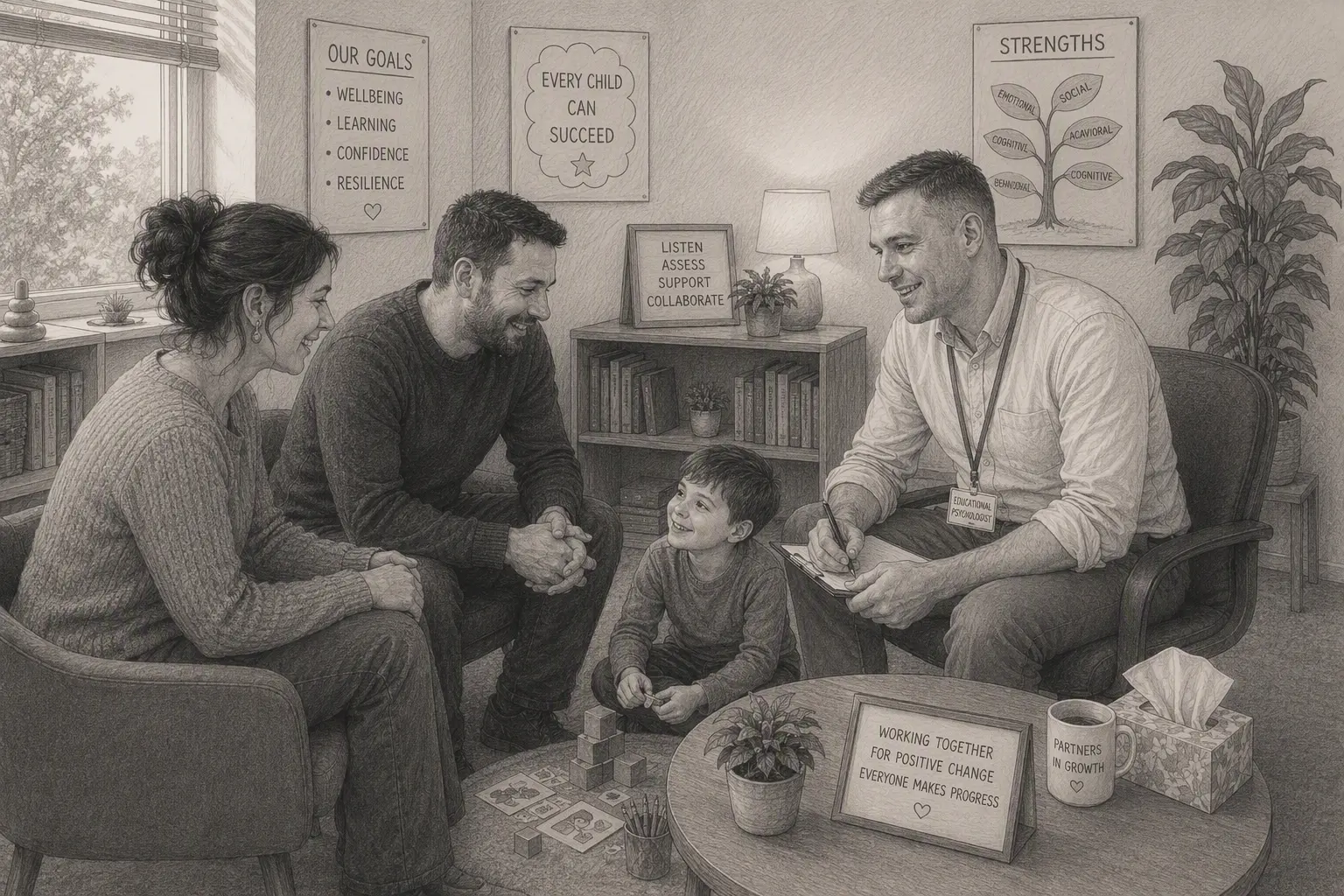
When reading and spelling stay effortful long after peers have moved on, families understandably want to know what sort of approaches are needed for them to progress. Through consultation, or a more in-depth assessment, we can look closely at reading, spelling and writing alongside the underlying skills that support them. I will provide you with a series of recommendations, for you and your child's score.
- Focus
- Reading, spelling, writing and the skills underlying them
- Ages
- Children and young people aged 6–25
- Referral
- Parents can self-refer; schools can commission
- You receive
- A written report, a formulation and practical literacy recommendations
Who it may be appropriate for
- Children whose reading or spelling has stayed behind despite good teaching and intervention
- Young people who read accurately but very slowly, or who avoid reading altogether
- Pupils whose written work does not reflect how well they talk about a subject
- Students needing evidence of need for exam access arrangements discussions with school
- Families who want clarity before an EHC needs assessment request
What the process involves
- A free 30-minute conversation to understand your concerns and identify our best route forward
- Background questionnaire and, with consent, information from school
- Standardised assessment of literacy attainment and underlying processing skills
- Dynamic assessment: how your child responds when a strategy is taught
- Your child's own account of reading and writing
- Written report and a feedback conversation
What it can and cannot establish
An assessment can describe a profile of strengths and difficulties, and set out what teaching should look like in response. It cannot diagnose medical conditions, and it does not by itself guarantee any particular provision, funding or exam arrangement — those decisions rest with schools, awarding bodies and the local authority.
What you receive
- A clear written report you can share with school
- An explanation of your child's literacy profile in plain English
- Targeted recommendations for reading, spelling and writing
- Suggestions for supportive technology and classroom adjustments
- Practical ideas for home that do not turn evenings into a battleground
Talk it through first
A free 30-minute conversation is the best place to start. Describe what you are seeing, ask questions, and get an honest view on whether an assessment in Warrington is the right next step for your child.